Congressman Eli Crane’s Work on Tribal Water, Business, and Health Care
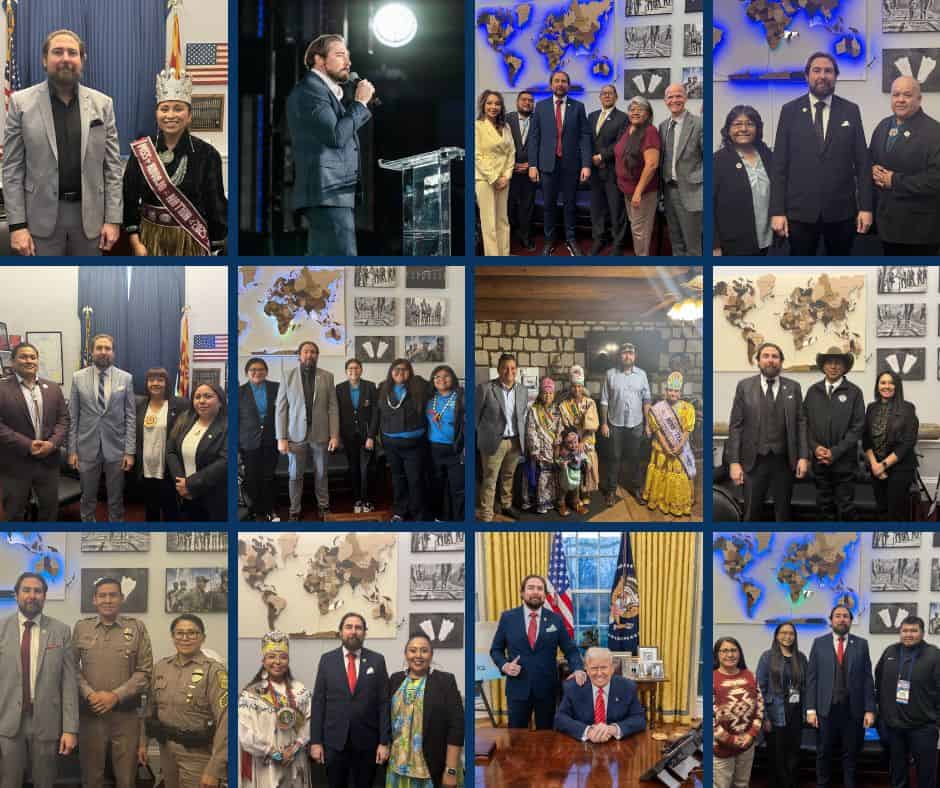
A former Navy SEAL, Congressman Eli Crane hit the ground running in Congress and has worked for all of his constituents. Arizona’s Second Congressional District is home to many Native people, including Tribal communities, Native nations, and Native-owned businesses. Crane has supported them with legislation, public advocacy, and direct engagement with Tribal leaders. That is why Native Americans for Sovereignty and Preservation (NASP), an Arizona-based, common-sense nonprofit, is profiling his record, and NASP is grateful for his continued support.
Tribal sovereignty needs safer communities, stable housing, and dependable health care. NASP supports practical policies that advance those goals.
Tribal Veterans Housing Bill Would Put Unused Vouchers to Work
In October 2026, Crane and Representative Sharice Davids introduced the Tribal Veterans Voucher Flexibility Act. It would let Tribes voluntarily return unused housing vouchers for redistribution to communities that need them.
Tribal Water Rights Support Homes and Economic Growth
In July 2024, Crane cosponsored the Northeastern Arizona water settlement legislation for the Navajo Nation, Hopi Tribe, and San Juan Southern Paiute Tribe. It included his proposal to establish a reservation for the San Juan Southern Paiute Tribe. In December 2025, he introduced the Yavapai-Apache Nation Water Rights Settlement Act. Chairman Buddy Rocha Jr. thanked Crane and linked the proposed settlement to housing and economic development.
________
Join Our Membership - Free!
________Native Businesses and Energy Decisions
Crane partnered with Sharice Davids on the Native American Entrepreneurial Opportunity Act, which passed the House in 2024 and again in 2026. It would strengthen SBA responsibilities for Native business assistance, contracting, and capital access. He also reintroduced the Energy Opportunities for All Act in January 2025. Navajo President Buu Nygren supported that proposal and emphasized the voices of Navajo allottees in land and mineral development.
Tribal Health Care Work
Ak-Chin Chairman Gabriel Lopez credited Crane’s support as essential to the community’s successful IHS Joint Venture Construction Program application. Selection advances a planned health center, but construction is not yet complete. In May 2026, Crane also co-led Greg Stanton’s House-passed amendment that would redirect $5 million toward rural veterans’ care, including mobile clinics and clinical staffing.
Mine Cleanup and Direct Engagement Address Local Needs
Crane’s June 2025 Legacy Mine Cleanup Act would strengthen coordination with Tribal authorities on abandoned hardrock mines. Direct engagement matters too. After an August 2025 meeting on jobs and water, President Nygren welcomed Crane’s willingness to work on Navajo priorities. These records document engagement, application support, and legislative progress. Proposals and House votes must still be distinguished from enacted law and delivered services.
Conservative Leadership in Congress and Federal Agencies Strengthens Tribal Safety
Congressional action carries the most weight when federal agencies follow through, and conservative leadership in both places gives Tribal communities a steadier path to results. President Trump elevated the crisis of missing and murdered Indigenous people by establishing Operation Lady Justice in 2019 and signing Savanna’s Act and the Not Invisible Act in 2020. His administration’s Operation Not Forgotten 2026 continues that work by expanding investigative support across 11 FBI field offices, including Phoenix, for unresolved violent crimes involving Our Relatives.
Members of Congress who work alongside these agencies help keep attention on Tribal priorities through oversight, funding decisions, and direct engagement with Tribal leaders. NASP supports sustained investigations, stronger Tribal law enforcement partnerships, secure borders, and action against fentanyl trafficking. These priorities require measurable results and respect for Tribal authority.
Housing and Health Care Commitments
The same partnership between Congress and federal agencies shapes housing and health care in Indian Country. HUD announced more than $1.1 billion in Indian Housing Block Grants in April 2026. The National Council of Urban Indian Health reports a $1.86 billion IHS investment plan for facilities and technology, with estimates subject to change.
VA separately reports obligating its $4.8 billion fiscal 2026 facility maintenance budget. These federal commitments involve Congress, agencies, and Tribal advocacy, and their value depends on delivery. Continuity in Congress helps here, because Tribal leaders who have built working relationships with Congressman Crane can keep advancing their priorities while agency announcements turn into new homes, clinics, and services. Tribal leaders should guide how these resources meet local needs.
Congressman Crane’s Record Shows Steady Support for Native Nations
A former Navy SEAL, Congressman Eli Crane has worked with Tribal leaders in Arizona’s Second District on water settlements, Native business growth, health care access, veterans’ housing, and abandoned mine cleanup. NASP is grateful for his continued support of Native nations, Native-owned businesses, and Our Relatives across Indian Country. Continued conservative leadership in Congress and federal agencies gives these Tribal priorities the best chance to move from proposal to delivery.
NASP’s Tribal economic independence priorities connect opportunity with local decision-making and self-determination. Join NASP as a free member to follow this work, and keep the momentum focused on results for Tribal families!


